Kremlin Defiance Grows as Pivot to Asia Fuels War Chest
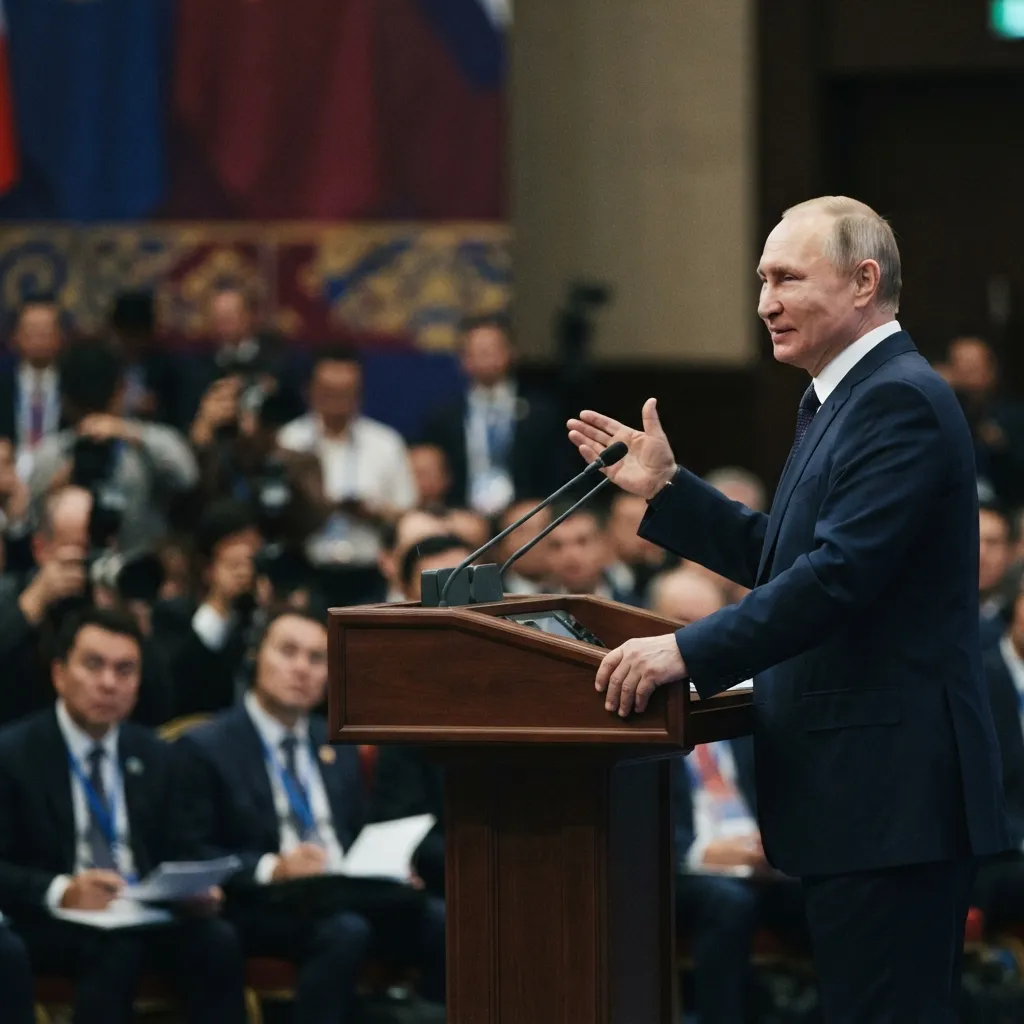
Vladimir Putin is projecting an image of absolute confidence following a series of economic reports that suggest Russia is faring better than Western critics anticipated. Speaking at the Asia-Pacific Economic Cooperation summit, the Russian president dismissed notions of economic collapse, claiming instead that external pressures have acted as a catalyst for domestic growth. With GDP rising beyond expectations and Russia emerging as one of the world’s largest economies by purchasing power parity, Putin has used these figures to signal that Moscow possesses the financial stamina to sustain its military campaign in Ukraine well into 2027.
The backdrop for this defiance is a dramatic geopolitical shift in trade. While the European Union continues to roll out sanction packages targeting banking and cryptocurrency, Russia has successfully pivoted its commercial interests toward Asia. Trade turnover with Asian partners now accounts for more than half of Russia’s total commerce, with ties to Beijing seeing a surge of over thirty percent. This transition has effectively neutralized much of the impact from lost European markets, turning what was once a dependence on EU energy imports into a strategic partnership with Eastern powers.
Putin did not mince words when comparing his nation’s trajectory to that of the West, accusing the European Union of industrial decline and economic ineptitude. By highlighting stagnant growth across major Eurozone economies like Germany and France, he sought to paint Europe as an entity unable to adapt to a world without cheap Russian energy. This rhetorical attack comes at a moment of perceived vulnerability for European leaders who are struggling to balance aggressive anti-Russian policies with slowing internal economic momentum.
Financially, this resurgence is manifesting in a tightening federal budget deficit and bolstered revenues from mineral fuels, metals, and agriculture. New projections indicate that increased income will allow the Russian Duma to prioritize national defense and security spending through 2029. Emboldened by these numbers and the lack of European influence at recent global summits, Putin appears increasingly likely to ignore EU diplomatic channels entirely, viewing the current economic climate as a green light to pursue his military objectives indefinitely.