IMF hails Britain as G7 leader in deficit reduction ahead of critical Budget
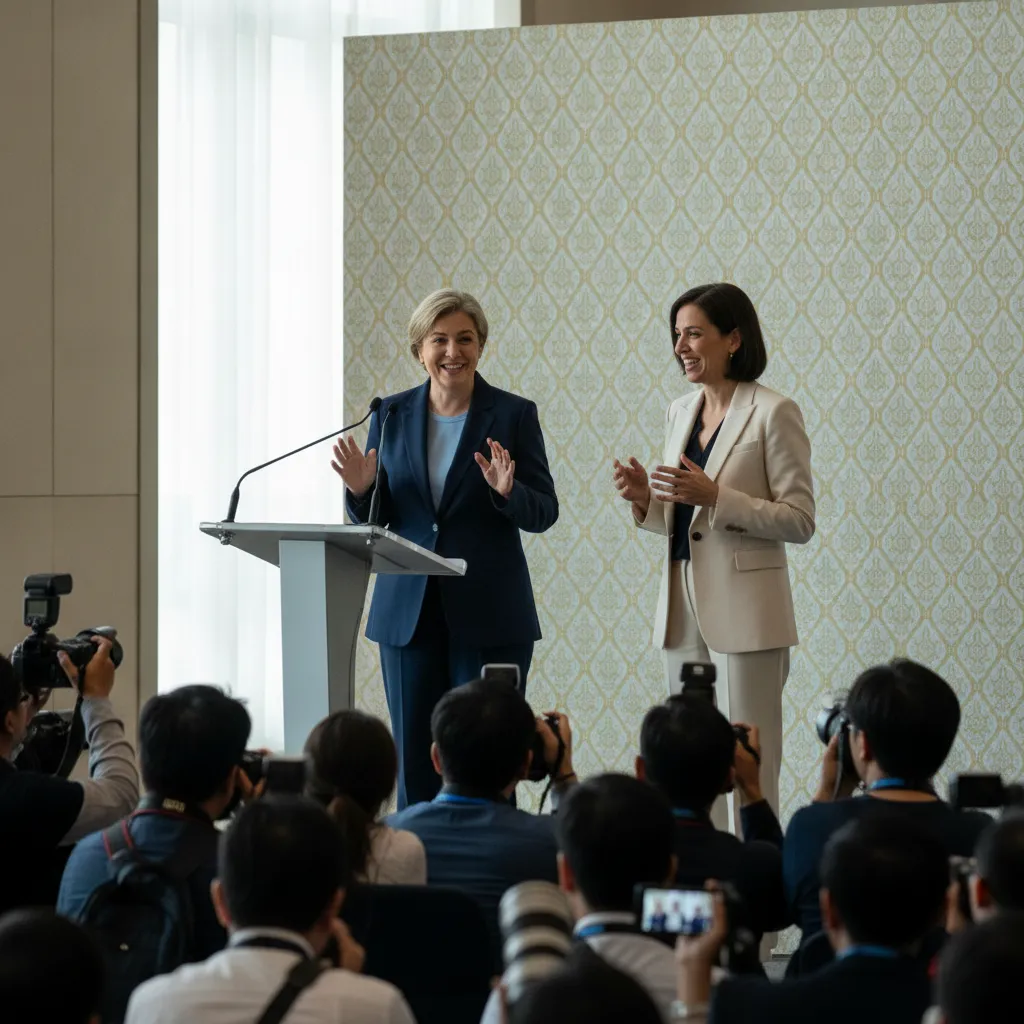
At the International Monetary Fund’s annual meetings in Thailand, a surprising narrative has emerged regarding the state of the British economy. While much of the global financial discourse has focused on warnings about mounting debts across the world’s largest economies, top IMF officials have singled out the United Kingdom for praise. Managing Director Kristalina Georgieva and Chief Economist Silvana Tenreyro both highlighted Britain’s decisive efforts to curb borrowing, noting that the UK stands alone among G7 nations in implementing a serious consolidation plan.
For a country that spent much of the last five years viewed with suspicion by international bond markets, particularly following the volatility of the Liz Truss era, being labeled a model pupil is a significant shift. While peers like the United States, Germany, and Japan continue to increase their borrowing, the UK is carving out a distinct path toward fiscal discipline. This endorsement suggests that Britain is successfully moving off what some might call the naughty step of global finance, potentially lowering borrowing costs for both the government and ordinary households.
However, this gold star from the IMF carries heavy implications for the upcoming Budget. For Chancellor John Healey, maintaining this reputation for prudence means there is very little room for sweeping spending increases or aggressive tax cuts. The desire to remain in the IMF’s good graces likely signals a cautious approach that avoids traditional austerity but remains firmly committed to tight fiscal controls.
This disciplined trajectory will almost certainly lead to frustration for various public services hoping for significant funding boosts to counter inflation. With potential shocks to energy prices looming due to instability in the Middle East, any available financial cushion will likely be reserved as insurance rather than invested back into crumbling infrastructure or public sector pay raises. Ultimately, while the IMF provides an encouraging forecast today, it is up to the Treasury to prove these plans can survive the reality of domestic politics when they are unveiled in two weeks.