
The international community may be operating on borrowed time according to the latest warnings from the International Monetary Fund. While global growth has proved surprisingly durable despite ongoing conflicts in the Middle East, officials warn that the mechanisms used to stabilize the economy are now exhausted. The IMF’s newest World Economic Outlook suggests that while we have avoided a major crisis so far, the cushions once used to absorb price shocks have largely vanished.
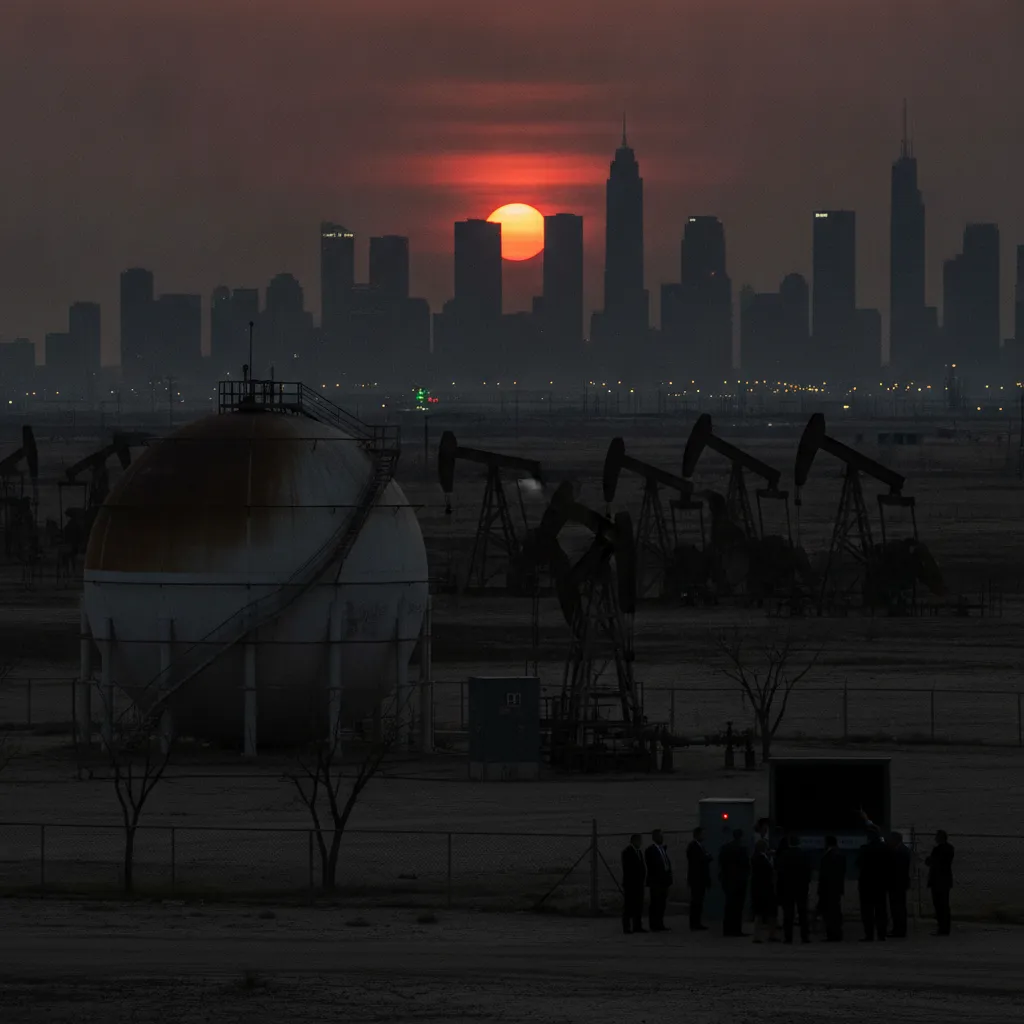
A primary concern is the state of global energy reserves. For months, strategic oil stocks were released to prevent pump prices from skyrocketing during periods of geopolitical instability, but those inventories are now dangerously depleted. In the United States, reports indicate that the strategic petroleum reserve has plummeted to its lowest level since 1982. With these emergency buffers gone and government budgets already stretched thin by high debt, there is very little room left for leaders to shield consumers from another sudden spike in fuel costs.
Speaking at annual meetings in Bangkok, IMF economic counsellor Silvana Tenreyro noted that while the world has been resilient, that strength is reaching its breaking point. Managing Director Kristalina Georgieva echoed this sentiment, urging finance ministers to stop merely coping with crises and start rebuilding their fiscal defenses. This call for austerity comes as global debt continues to climb, leaving many nations vulnerable to everything from cyberattacks and extreme weather to potential escalations between Washington and Tehran.
Despite these alarms, some figures provide a glimmer of optimism. The fund slightly raised its global growth forecast for this year to 3.1 percent and offered a modest upgrade for the UK economy. However, these gains remain fragile. Analysts caution that persistent inflation and high interest rates will likely drag down consumption and investment toward 2027, especially if energy volatility persists or if an artificial intelligence bubble eventually bursts into a market crash.